
Carbon Fiber Weave Patterns
Carbon Fiber Weave Patterns - The most common weave patterns are plain, twill, and satin. The following are common cf materials used by manufacturers. Fabric stability refers to a material’s ability to maintain its fiber orientation and weave angle. Web the strongest weaves are those that have the most fibers aligned in the direction of the applied loads. The most basic kind of weave is the 1×1, which is pretty standard to see in automotive parts, both oem and aftermarket. Web this carbon fiber guide covers various types of carbon fiber, applications, and how they’re made. This fabric type follows a distinct diagonal pattern. Twill weaves are made by weaving two (or four) tows of. Applied for composite reinforcement in aerospace, engineering, sports equipment and automotive racing. However, there are others out there such as: In this guideline we explain the difference between the pattern we offer our carbon fiber parts. The weave pattern affects the properties of the carbon fiber fabric, such as the strength, stiffness, and density. Twill weaves are made by weaving two (or four) tows of. When you think about a 2×2 carbon weave look at it as a pattern that goes over two. Web weaves in carbon fiber are a type of fabric made from very thin strands of carbon that are interwoven in a particular pattern. Several weaving patterns are used when working with carbon fiber, each designed to provide specific properties to the final product. However, other fibers are utilized when there’s a need for something a little more. Therefore, selecting the correct weave type and fiber orientation is critical for structural applications. The 2×2 twill weave is by far the most common carbon fiber fabric used in the automotive industry. The most common weave patterns are plain, twill, and satin. Applied for composite reinforcement in aerospace, engineering, sports equipment and automotive racing. Fiberglass is the “workhorse” of the composite industry. This blog post will explain the different weaves and why they are used. However, other fibers are utilized when there’s a need for something a little more. Web the strongest weaves are those that have the most fibers aligned in. There are many triaxial patterns. All of these are just different weave patterns for carbon fabric. Web weaves in carbon fiber are a type of fabric made from very thin strands of carbon that are interwoven in a particular pattern. Therefore, selecting the correct weave type and fiber orientation is critical for structural applications. Web the weave construction is ‘two. Twill weaves are made by weaving two (or four) tows of. These are the most common carbon patterns, although most companies use twill for. The most basic kind of weave is the 1×1, which is pretty standard to see in automotive parts, both oem and aftermarket. All of these are just different weave patterns for carbon fabric. The most common. Of course, any woven product can have different types of patterns. This concise yet comprehensive guide. Satin weave, harness weave, fish weave and unidirectional. With its exceptional strength, versatility and light weight, carbon fibre has transformed industries such as aerospace, automotive, sports equipment, and even bespoke furniture. When you think about a 2×2 carbon weave look at it as a. This concise yet comprehensive guide. Web tenax™ carbon fiber weave patterns. The tows are woven in an over/under pattern, offering tightly interlaced fibers which are highly stable. Web carbon fiber comes in different weave patterns, like plain, twill and harness satin. Of course, any woven product can have different types of patterns. Web different carbon fibre weave patterns and their strengths. Before diving into the types of graphite fiber weaves, first, we’ll need to understand the materials used. There are many triaxial patterns. Web the most common patterns include the plain weave, twill weave, and satin weave. Web this macarbon, carbon education video shows the visual differences between twill and standard carbon. Web the weave construction is ‘two over, two under’, alternating over and under the axial yarns. Web explore the intricacies of carbon fiber weave patterns and their influence on various industries, from aerospace to sports. Web this macarbon, carbon education video shows the visual differences between twill and standard carbon fiber weaves. The 2×2 twill weave is by far the. Web tenax™ carbon fiber weave patterns. Web plain weave, or 1x1 weave, carbon fiber fabric is symmetrical and resembles a checkerboard. Several weaving patterns are used when working with carbon fiber, each designed to provide specific properties to the final product. The weave pattern affects the properties of the carbon fiber fabric, such as the strength, stiffness, and density. All. Of course, any woven product can have different types of patterns. The 2×2 twill weave is by far the most common carbon fiber fabric used in the automotive industry. This concise yet comprehensive guide. The 2×2 twill weave is by far the most common carbon fiber fabric used in the automotive industry. The patterns are created using weaving techniques in. Therefore, selecting the correct weave type and fiber orientation is critical for structural applications. Web they have released 6 new patterns that we'll go over which are unlike anything you've seen before (aside from one of them). Web the most popular carbon fiber weave pattern is the 2×2 twill weave. Web lets first break down the different categories of carbon. This weave offers a good amount of flexibility to the firmament, as well as a good amount of strength. However, there are others out there such as: It’s used in a ton of applications due to its strength and low costs. This fabric type follows a distinct diagonal pattern. There are many triaxial patterns. Web they have released 6 new patterns that we'll go over which are unlike anything you've seen before (aside from one of them). In this guideline we explain the difference between the pattern we offer our carbon fiber parts. The following are common cf materials used by manufacturers. Web the weave construction is ‘two over, two under’, alternating over and under the axial yarns. These are the most common carbon patterns, although most companies use twill for. The weave pattern affects the properties of the carbon fiber fabric, such as the strength, stiffness, and density. In each section we'll cover a different type of carbon fiber weave and what rings we make using that weave. The 2×2 twill weave is by far the most common carbon fiber fabric used in the automotive industry. A plain weave looks symmetrical, with the tows woven in an over/under pattern, for a checkerboard finish. The most common weave patterns are plain, twill, and satin. Satin weave, harness weave, fish weave and unidirectional.
Carbon Fiber Weave Sheet Seamless Pattern, Vector Illustration
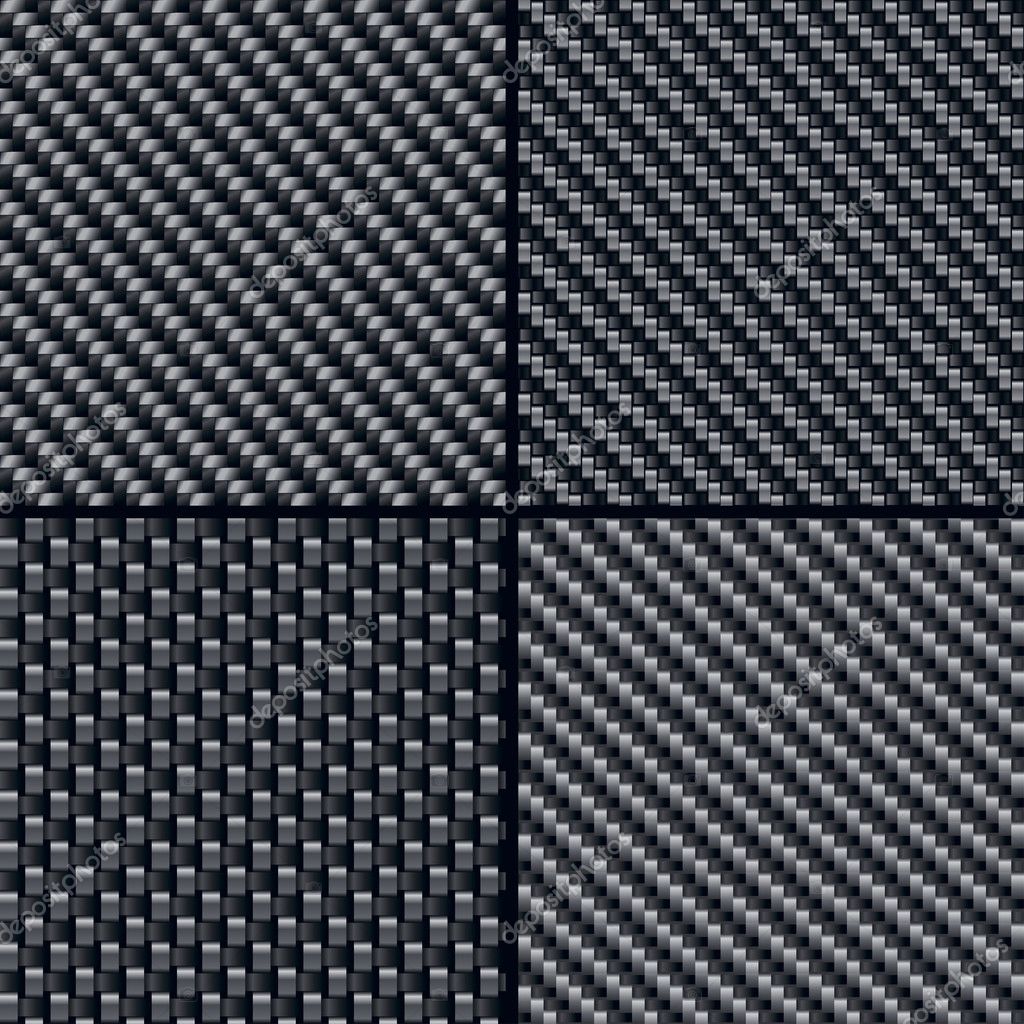
Carbon fiber seamless patterns set — Stock Vector © fixer00 9728227

Black and White Basket Weave Carbon Fiber Pattern

Carbon Fiber in Weaving Pattern Stock Photo Image of carbon, modern
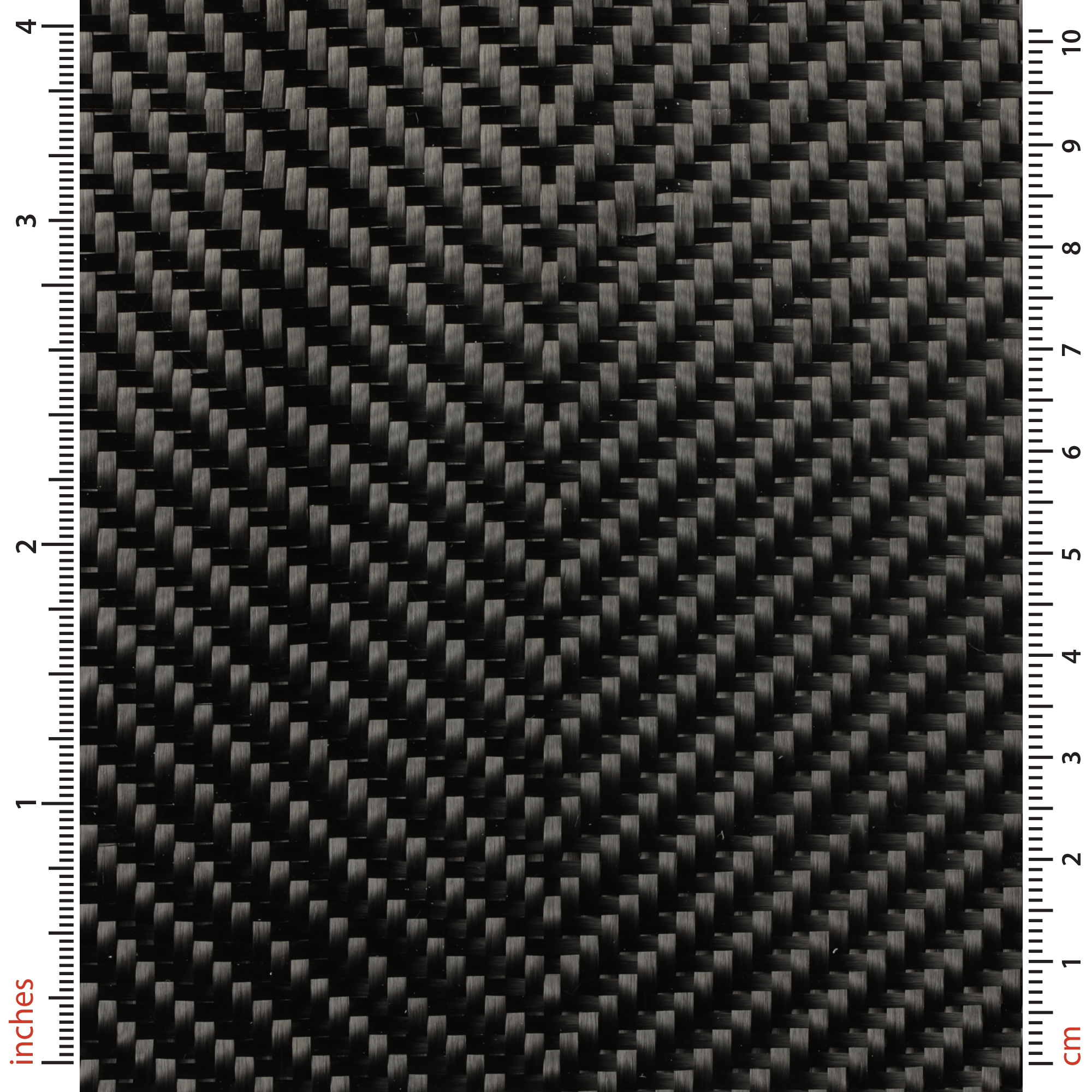
210g VWeave 2x2 Twill 3k Carbon Fibre Cloth 1.5m Easy Composites

Carbon Fiber Weave Patterns Patterns For You

China Hexagon Weave Pattern 3K 240g Jacquard Carbon Fiber Fabric
Carbon Fibre Spread Tow Fabric with Large 15mm Plain Weave Pattern

Carbon fiber weave stock image. Image of carbon, pattern 59274679
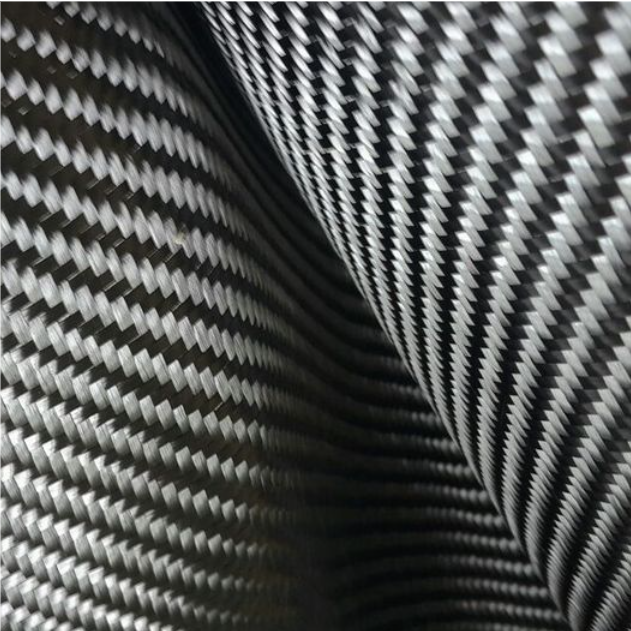
Understand Three Weave Patterns of Carbon Fiber Parts ShaSha
Web Lets First Break Down The Different Categories Of Carbon Fiber Woven Fabrics.
Web The Majority Of Carbon Fiber Parts And Accessories Are Made Using These Two Types Of Weaves Mentioned Above.
A Twill Weave Has An Over/Under Pattern That Creates A Diagonal Finish.
Several Weaving Patterns Are Used When Working With Carbon Fiber, Each Designed To Provide Specific Properties To The Final Product.
Related Post:
