
Deer Movement Patterns
Deer Movement Patterns - There is no simple answer to these questions. In fact, for many hunters, the preparation process is. After deer have felt hunting pressure, their movement patterns change, which often will occur after the second week of bow season, if considerable pressure has been put on the animals from other hunters. Whether you hunt public land or private ground, mature bucks are good at avoiding hunters (that’s how they’ve grown old, after all). Web seasonal changes also influence their movement patterns. Web deer movement patterns and behavioral habits preparing for deer hunting season is just like getting ready for a boxing match. Web daily movement patterns. It’s built into their dna. Deer behavior is influenced by factors such as food availability, weather conditions, and mating season. Web the science behind deer movement patterns: Their feeding habits, bedding areas, and the travel corridors used to connect the two. Web how can weather help predict deer movement? Hunting throughout the day can yield a great result. Which is easy to do…because i’ve long subscribed to the old mantra that deer simply don’t move much when the winds are howling. I would rather spend a full day on stand in a driving rain than in two hours of high wind. This will change their normal movement for some time as they search for partners. Deer tend to be most active during dawn and dusk so these are prime feeding times as they move from their bedding areas to seek out food. There is no simple answer to these questions. Hunters begin scouting their favorite spots, and evening spotlighting trips are used to assess the current deer population. These indicators can be useful whether you’re hunting deer, specifically whitetail deer, for sport, to acquire their meat, or to make them a subject of your photography project. Web understanding seasonal deer movement patterns is essential for hunters and gamekeepers alike. There are three main aspects to developing a lead on a deer’s daily patterns: Which is easy to do…because i’ve long subscribed to the old mantra that deer simply don’t move much when the winds are howling. Deer behavior is influenced by factors such as food availability,. By studying their patterns and tendencies, hunters can predict their movements and increase their chances of a successful hunt. Variables like the rut, food source, cover, water, wind and weather all affect buck movement. In fact, for many hunters, the preparation process is. Which is easy to do…because i’ve long subscribed to the old mantra that deer simply don’t move. Web do deer move best on a rising or falling barometer? Web here are some deer movement and behavioral patterns to keep in mind when building a game plan for your next excursion. Hunters begin scouting their favorite spots, and evening spotlighting trips are used to assess the current deer population. Studying weather patterns and forecasts gives hunters excellent insights. When it comes to hunting, understanding the behavior and movement patterns of your quarry is a crucial aspect of a successful hunt. Web understanding deer movement during deer season. We are lucky that biologists at the msu deer lab are researching the when and why of deer movement. These indicators can be useful whether you’re hunting deer, specifically whitetail deer,. Web when armed with the familiarity of the terrain where you hunt, and by knowing which foods attract deer (something that changes through the seasons), you can learn to predict the movement patterns of whitetails with surprising accuracy. Web read mossy oak's blog to learn how far a buck will travel during rut and other critical seasonal deer movement patterns. Web read mossy oak's blog to learn how far a buck will travel during rut and other critical seasonal deer movement patterns to anticipate their behaviors. Web understanding deer behavior is crucial for hunting success. There is no simple answer to these questions. Web how can weather help predict deer movement? Whether you hunt public land or private ground, mature. Web understanding deer behavior is crucial for hunting success. Read mossy oak's blog to learn how far a buck will travel during rut and other critical seasonal deer movement patterns to anticipate their behaviors. Do atmospheric conditions (rain, cloud cover, fog) really matter? Web many hunters set up trail cameras before and during the hunting season to locate deer and. Web not just when they are moving, but why they are moving. Web understanding deer movement during deer season. Web the science behind deer movement patterns: Web daily movement patterns. As late summer days of september pass into the first cool days of october, preparations for upcoming deer seasons begin in earnest. Web habitat influences buck movements. Whether you hunt public land or private ground, mature bucks are good at avoiding hunters (that’s how they’ve grown old, after all). Web the science behind deer movement patterns: After deer have felt hunting pressure, their movement patterns change, which often will occur after the second week of bow season, if considerable pressure has been. Web deer will normally move about for some times in the morning. Web this system utilizes your pictures and data to analyze and establish specific deer movement patterns, enabling accurate predictions of when and where deer will be. Before the bout, you watch your opponent’s past matches, so you can see and understand how they move. Deer hunting experts share. In particular, look for temperature swings, appropriate wind speeds, barometric pressure drops, and favorable solar conditions based on cloud cover or. There are three main aspects to developing a lead on a deer’s daily patterns: Web understanding seasonal deer movement patterns is essential for hunters and gamekeepers alike. There is no simple answer to these questions. Deer tend to be most active during dawn and dusk so these are prime feeding times as they move from their bedding areas to seek out food. By studying their patterns and tendencies, hunters can predict their movements and increase their chances of a successful hunt. Food defines the base of all deer movement patterns. Web not just when they are moving, but why they are moving. They move most at dawn and dusk, and during the rut. Web understanding deer behavior is crucial for hunting success. Hunters begin scouting their favorite spots, and evening spotlighting trips are used to assess the current deer population. Web deer will normally move about for some times in the morning. Deer behavior is influenced by factors such as food availability, weather conditions, and mating season. All these factors together decide if deer will stay in one place or not. The most predictable and easily recognizable movements in the deer woods is the pattern of deer travel between a whitetail's daytime bedding area, and their evening food source. Web deer movement patterns and behavioral habits preparing for deer hunting season is just like getting ready for a boxing match.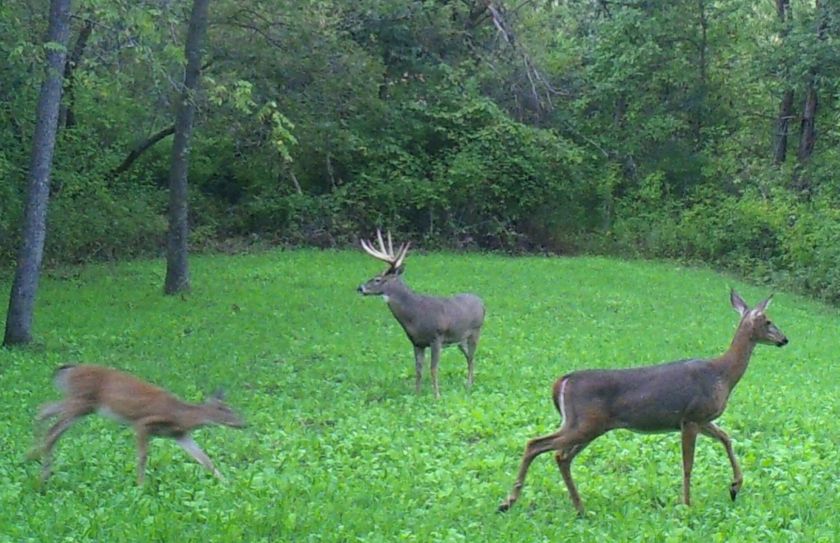
Recognizing Deer Movement Patterns Whitetail Habitat Solutions
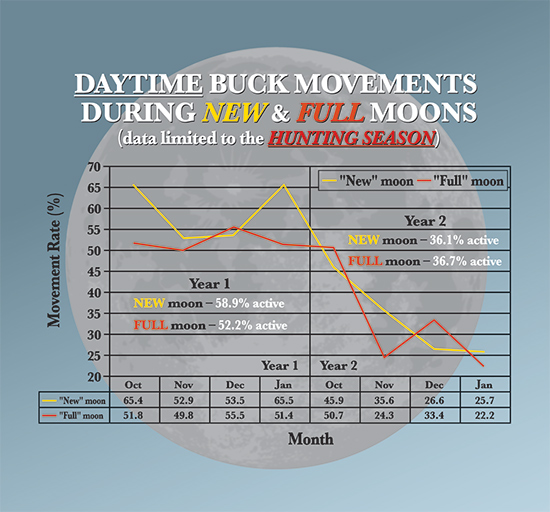
Deer Movement Chart A Visual Reference of Charts Chart Master
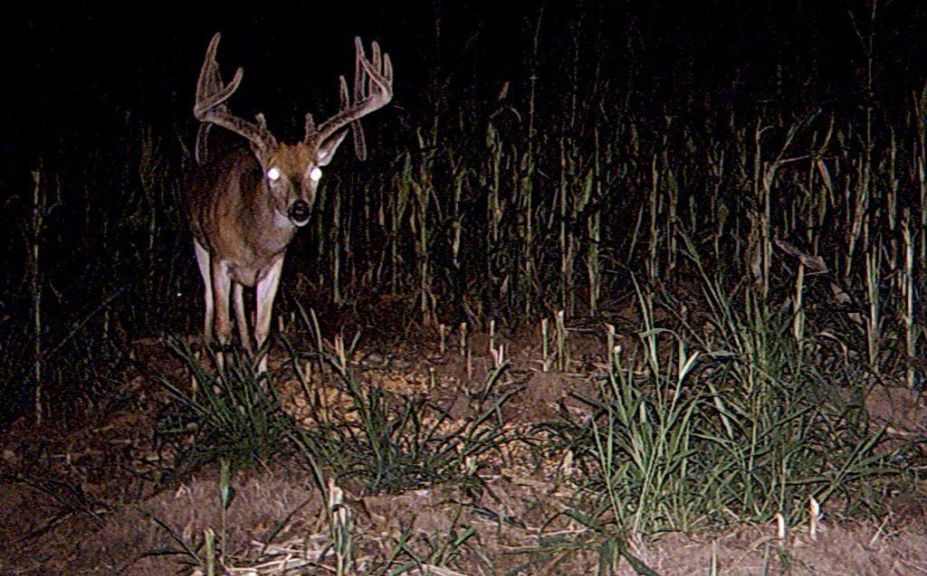
Recognizing Deer Movement Patterns Whitetail Habitat Solutions
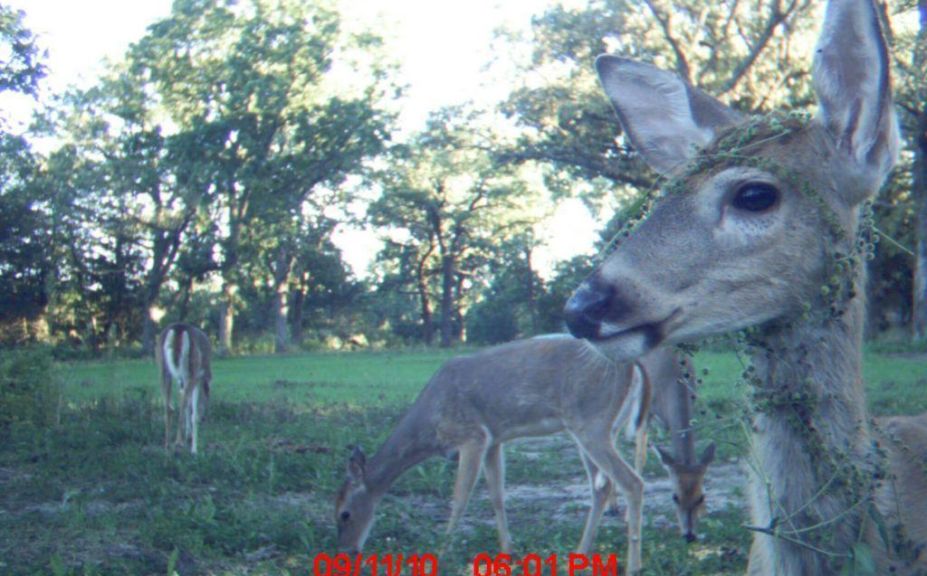
Recognizing Deer Movement Patterns Whitetail Habitat Solutions
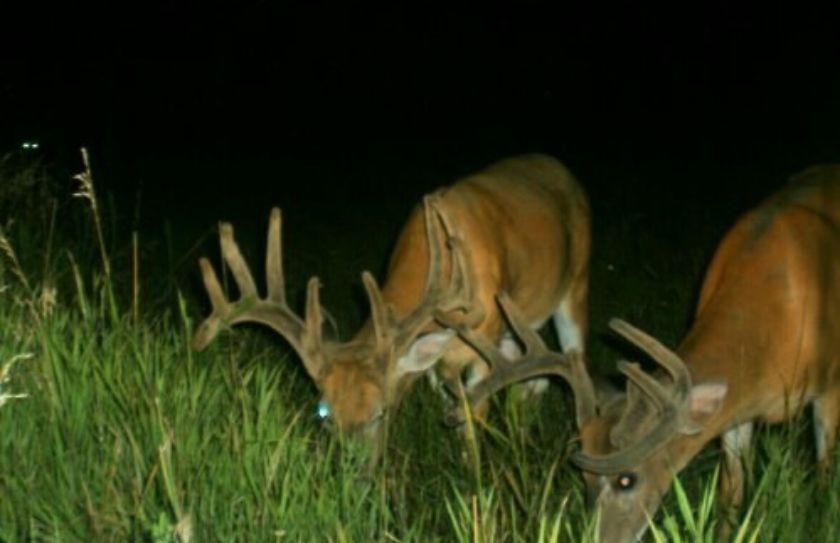
Recognizing Deer Movement Patterns Whitetail Habitat Solutions

Have you take little out of your time to make research and understand
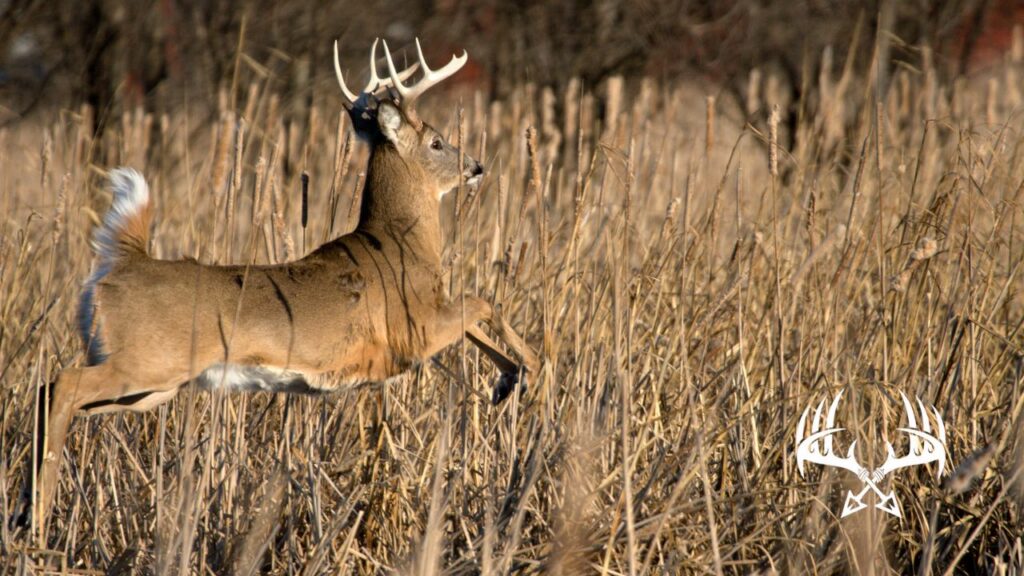
Understanding Deer Movement Patterns for Bow Hunting Success

Different running deer motions Deer running, Deer drawing, Animation
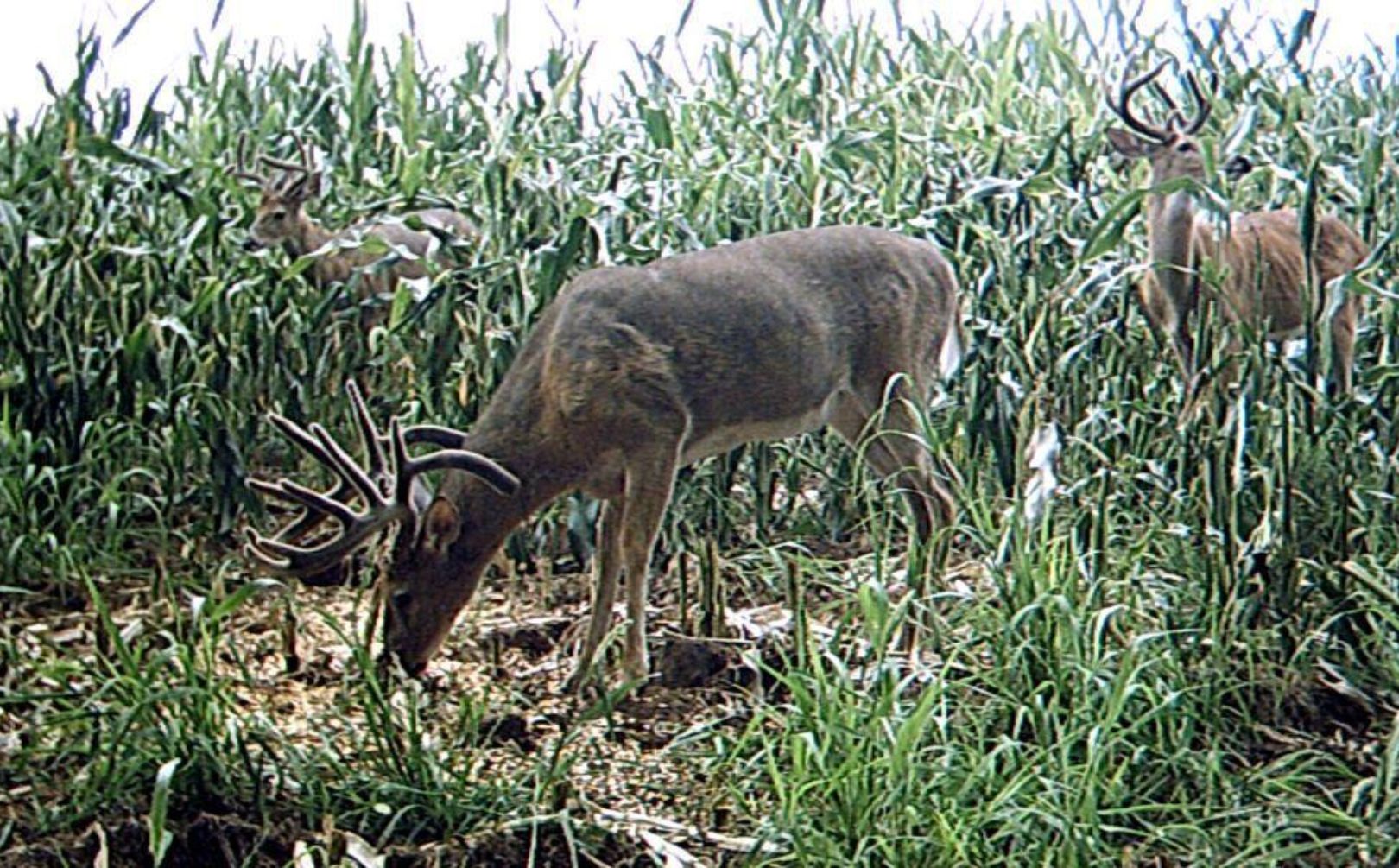
Recognizing Deer Movement Patterns Whitetail Habitat Solutions
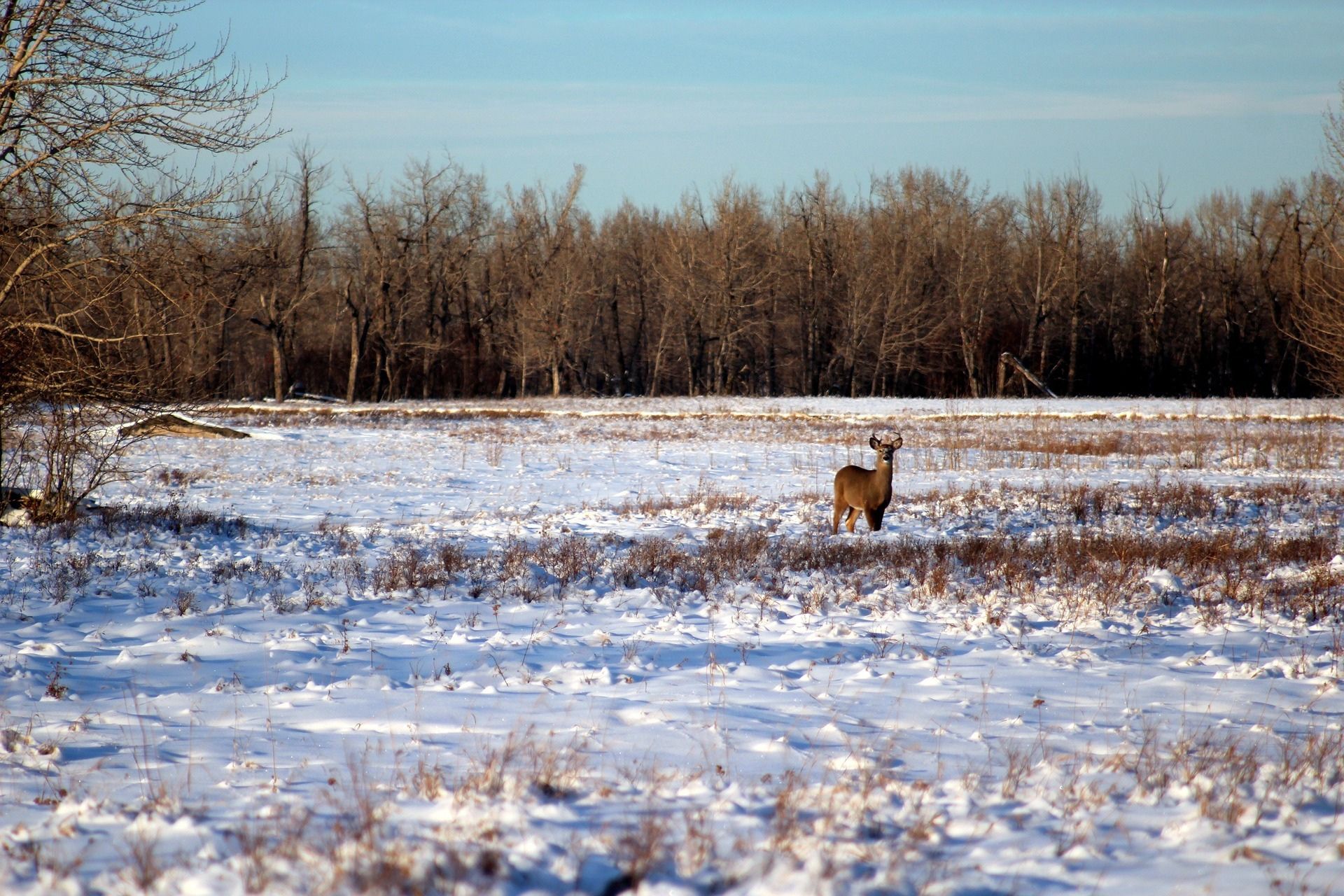
Understanding Deer Movement Patterns Montana Decoy
Hunting Throughout The Day Can Yield A Great Result.
High Winds Limit Deer Movement.
Which Is Easy To Do…Because I’ve Long Subscribed To The Old Mantra That Deer Simply Don’t Move Much When The Winds Are Howling.
Deer Hunters Love To Prepare For Hunting Season.
Related Post: