
Diamondback Snake Pattern
Diamondback Snake Pattern - They are the largest of all rattlesnake species, with the largest recorded eastern diamondback reaching 99 inches (8.25 ft). The ground color of the body is brownish. Interspecies differences aside, even two individuals within the same species can often look starkly different making this method a poor option for distinguishing one type of rattlesnake from another. They weigh 1 to 3 pounds, on. Venomous snakes with diamond patterns. Their diet includes mostly fish and. Web the diamondback rattlesnake, an emblematic reptile of north america, is as fascinating as it is feared. Web the behavioural patterns of the western diamondback rattlesnake are fascinating and nuanced. Diamondback water snakes are nonvenomous and native to the mississippi river basin and surrounding areas in north america and the eastern regions of mexico. With a range that spans across the southwestern united states and into mexico, it is a true desert dweller. Web southern or banded watersnake. Their diet includes mostly fish and. Web check out our diamondback snake pattern selection for the very best in unique or custom, handmade pieces from our patterns shops. Two diagonal stripes extend from each eye to the jaw. Keep reading to learn more! Their distinctive rattling tail serves as a warning signal, allowing them to avoid confrontations with potential threats. Web the western diamondback rattlesnake (crotalus atrox) is a heavy bodied snake with a triangular shaped head. We’ll take a look at their habitats, behavior, and diet. Its underside is marked by yellow or light brown with dark blotches. Web this article explores some of the many snakes with diamond patterns on their backs. The tail has black and white bands just above the rattles. Their diet includes mostly fish and. Like all other members of the genus, they have a hollow rattle on the ends of their tails to warn off predators. Web this rattlesnake is a well known species in the southeast, known for their impressive size, characteristic diamond pattern on their. Web the western diamondback is similar in appearance to its eastern counterpart. One of the eastern diamondback’s most distinctive features is its. Like all other rattlesnakes and all other vipers, it is venomous. Their distinctive rattling tail serves as a warning signal, allowing them to avoid confrontations with potential threats. The tail has black and white bands just above the. Their diet includes mostly fish and. The color of this striking snake ranges from brown to gray to pinkish, depending on the shade of its habitat. Web the timber rattlesnake has a large and heavy body. Web the western diamondback is similar in appearance to its eastern counterpart. 13 snakes with diamond patterns. We’ll take a look at their habitats, behavior, and diet. Often confused with cottonmouths, diamondback water snakes are. Web the western diamondback rattlesnake (crotalus atrox) is a heavy bodied snake with a triangular shaped head. Diamond patterns on these snakes are known for their hollow interior, which makes for clear separation from other similar species. Various tones of gray with. Their diet includes mostly fish and. There are two dark diagonal lines on each side of its face running from the eyes to its jaws. They weigh 1 to 3 pounds, on. Like all other members of the genus, they have a hollow rattle on the ends of their tails to warn off predators. Often confused with cottonmouths, diamondback water. Web the western diamondback rattlesnake (crotalus atrox) is a heavy bodied snake with a triangular shaped head. There are two dark diagonal lines on each side of its face running from the eyes to its jaws. They weigh 1 to 3 pounds, on. With a range that spans across the southwestern united states and into mexico, it is a true. It has a triangular head, narrow neck, stout body, and short tail. Web the eastern diamondback rattlesnake (crotalus adamanteus) is the heaviest venomous snake in north america. Nocturnal by nature, they are primarily solitary creatures. Diamondback water snakes are nonvenomous and native to the mississippi river basin and surrounding areas in north america and the eastern regions of mexico. The. Two diagonal stripes extend from each eye to the jaw. Its underside is marked by yellow or light brown with dark blotches. Web this article explores some of the many snakes with diamond patterns on their backs. They are the largest of all rattlesnake species, with the largest recorded eastern diamondback reaching 99 inches (8.25 ft). Web the eastern diamondback. Web the behavioural patterns of the western diamondback rattlesnake are fascinating and nuanced. One of the eastern diamondback’s most distinctive features is its. Web however, some snakes can cross this limit, and the largest recorded eastern diamondback measured a whopping 7.8 feet (2.4 m) and 34 pounds (15.4 kg). Web this article explores some of the many snakes with diamond. Web written by gail baker nelson. Diamondback water snake (nerodia rhombifer) the diamondback water snake is a nonvenomous species that commonly lives in the aquatic regions of texas. Often confused with cottonmouths, diamondback water snakes are. Web however, some snakes can cross this limit, and the largest recorded eastern diamondback measured a whopping 7.8 feet (2.4 m) and 34 pounds. It has a triangular head, narrow neck, stout body, and short tail. There are two dark diagonal lines on each side of its face running from the eyes to its jaws. We’ll take a look at their habitats, behavior, and diet. Diamond patterns on these snakes are known for their hollow interior, which makes for clear separation from other similar species. Web written by gail baker nelson. Web this rattlesnake is a well known species in the southeast, known for their impressive size, characteristic diamond pattern on their back, and prominent rattle on their tail. Its underside is marked by yellow or light brown with dark blotches. Web the western diamondback can exceed seven feet in length, and is the king of our twenty odd species of southwestern desert rattlers. They weigh 1 to 3 pounds, on. Diamondback water snake (nerodia rhombifer) the diamondback water snake is a nonvenomous species that commonly lives in the aquatic regions of texas. Web however, some snakes can cross this limit, and the largest recorded eastern diamondback measured a whopping 7.8 feet (2.4 m) and 34 pounds (15.4 kg). It has a diamond pattern along its back and, as you probably could have guessed, a distinct rattle at the end of its tail. It's known for its iconic rattle and its venomous bite, which can be fatal to humans. 13 snakes with diamond patterns. With a range that spans across the southwestern united states and into mexico, it is a true desert dweller. Web crowned north america’s longest and heaviest venomous snake, the eastern diamondback rattlesnake is native to the national seashore.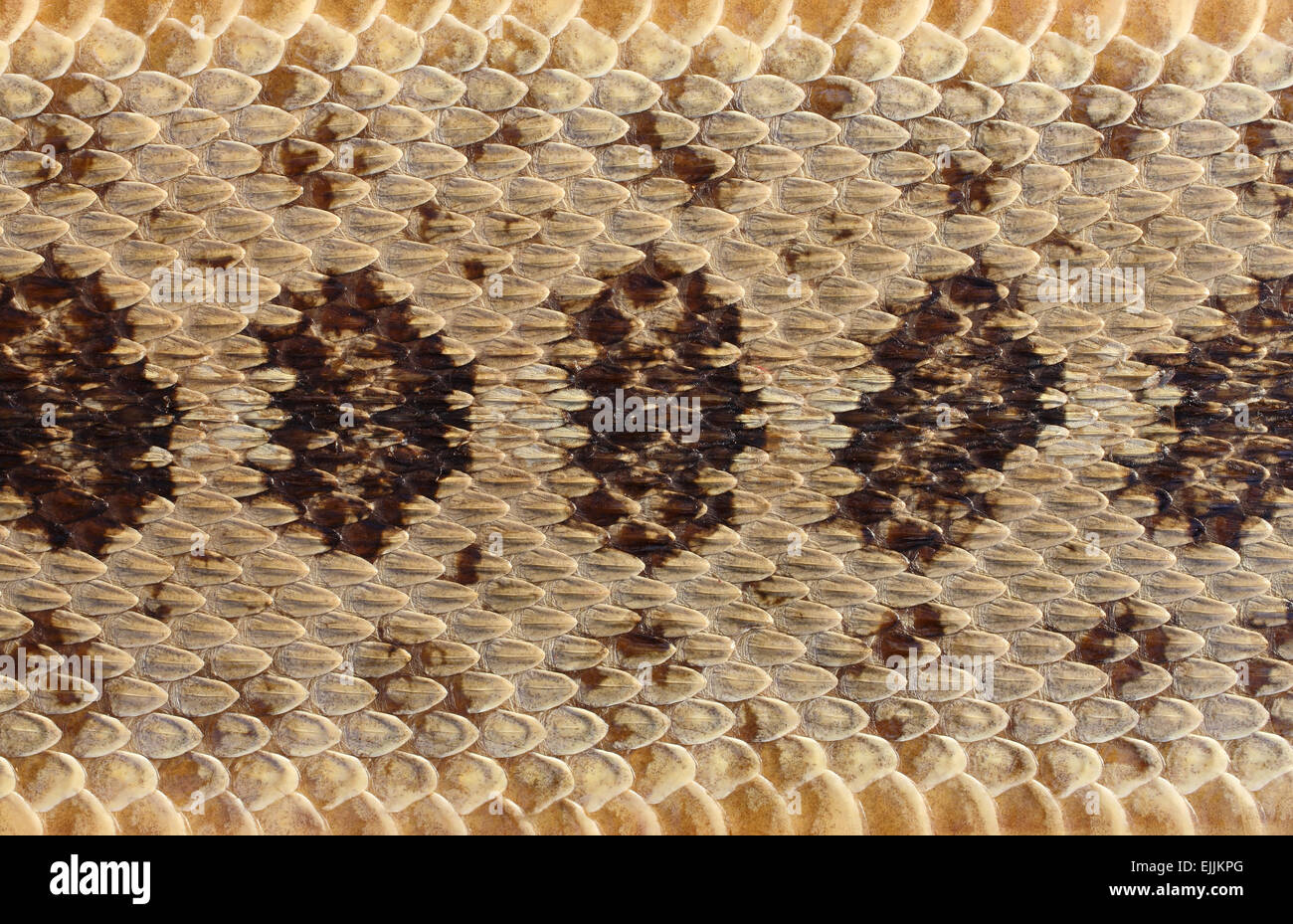
Diamondback Rattlesnake Skin Pattern
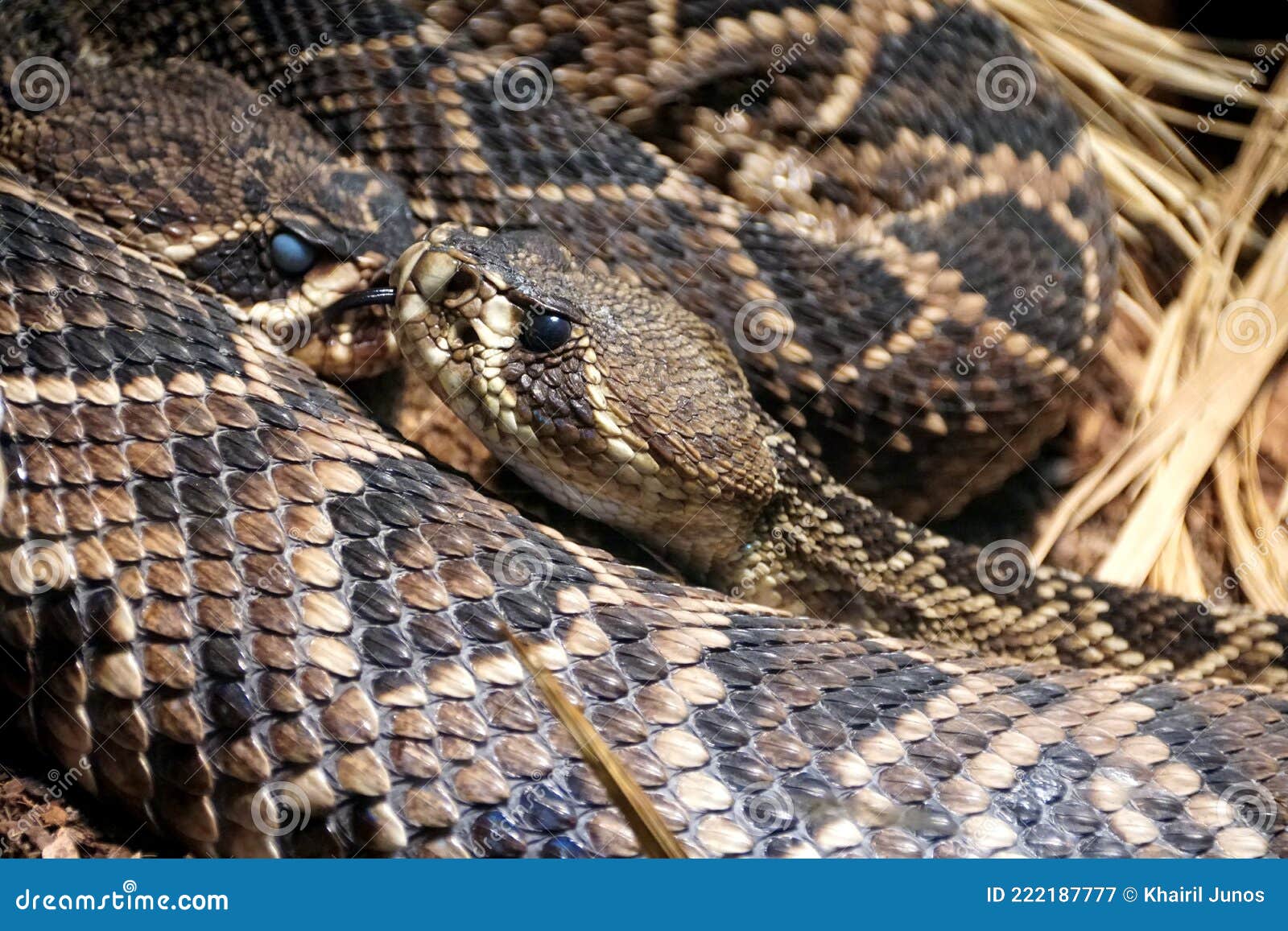
Beautiful Patterns of Eastern Diamondback Rattlesnake Stock Image

Eastern Diamondback pattern reference Beautiful snakes, Painted rocks

Diamond Skin Pattern of Eastern Diamond Back Rattlesnake Stock Photo
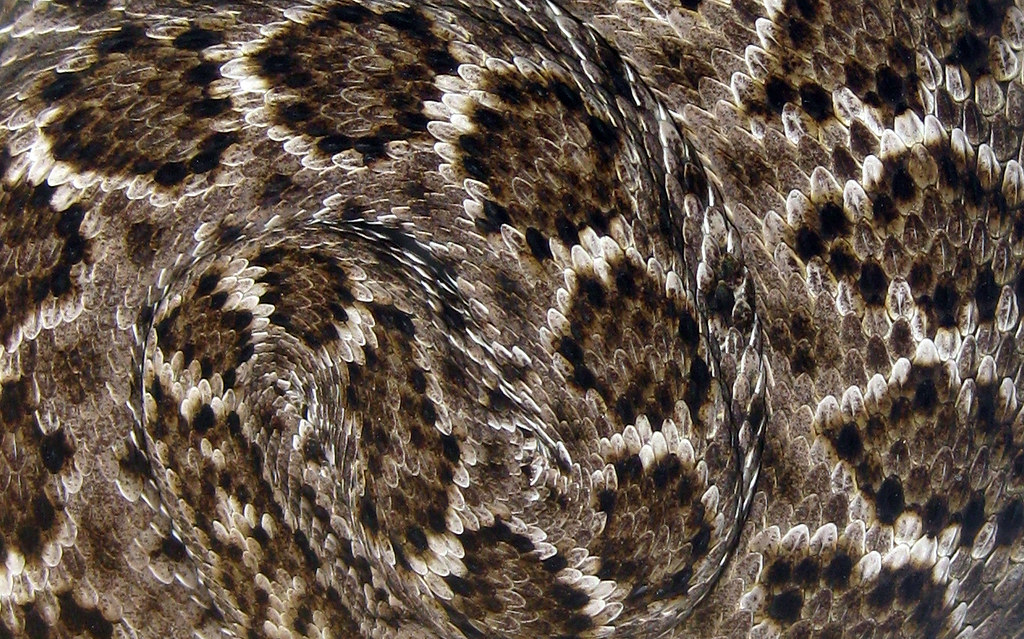
Western Diamondback Rattlesnake Pattern (C. Atrox) Flickr

Western Diamondback Rattlesnake Pattern
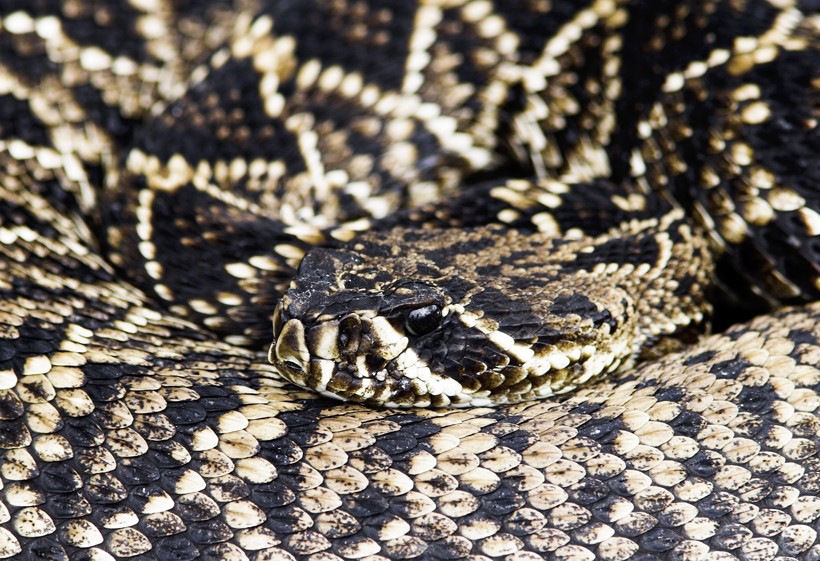
Eastern Diamondback Rattlesnake (Crotalus adamanteous) about animals

Scale pattern on the back of an adult western diamondback rattlesnake

Crotalus adamanteus Eastern Diamondback Rattlesnakelook at the
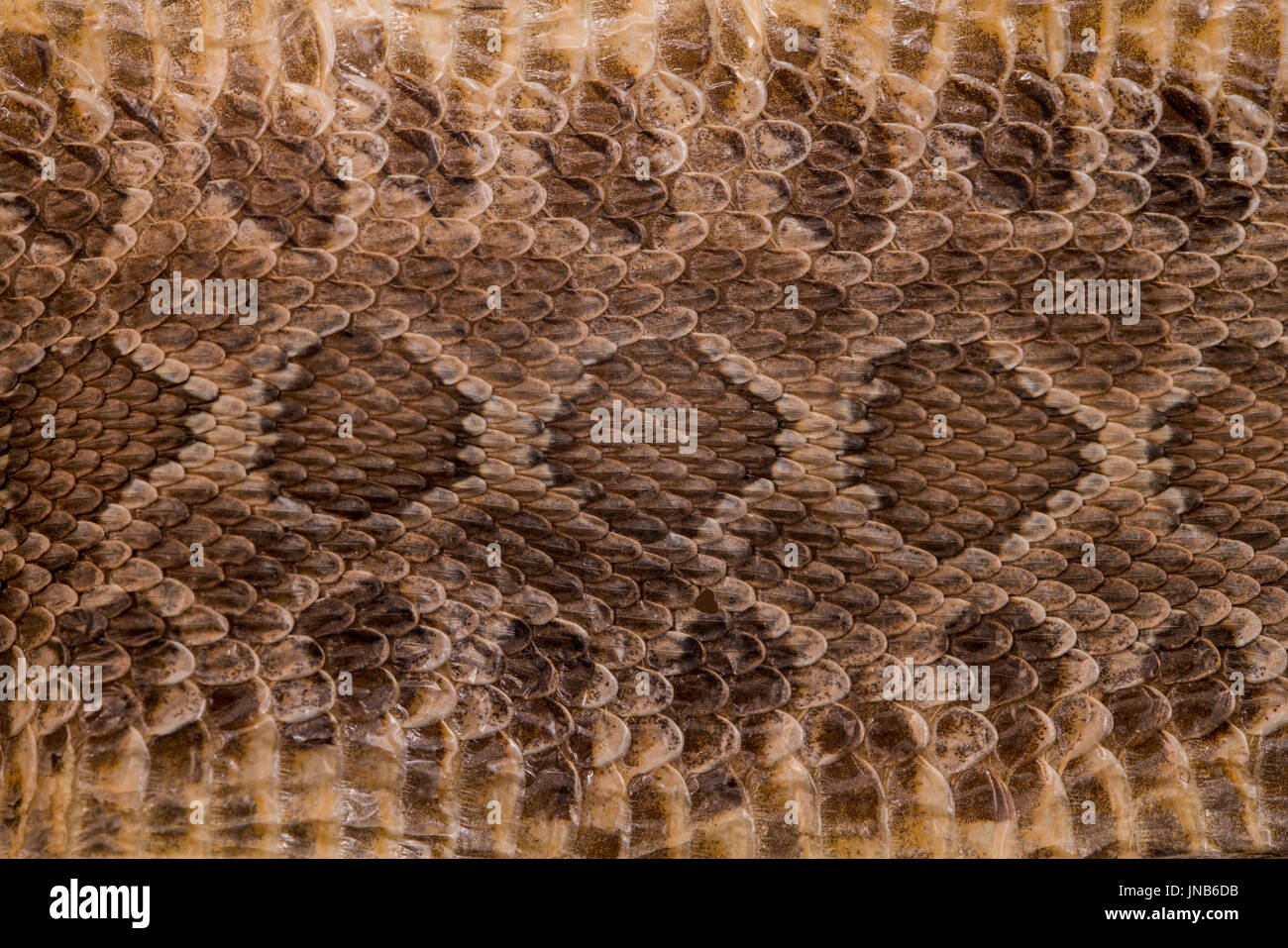
Diamondback Rattlesnake Skin Pattern
Often Confused With Cottonmouths, Diamondback Water Snakes Are.
The Tail Has Black And White Bands Just Above The Rattles.
Interspecies Differences Aside, Even Two Individuals Within The Same Species Can Often Look Starkly Different Making This Method A Poor Option For Distinguishing One Type Of Rattlesnake From Another.
Web Check Out Our Diamondback Snake Pattern Selection For The Very Best In Unique Or Custom, Handmade Pieces From Our Patterns Shops.
Related Post: