
Fingerprint Loop Pattern
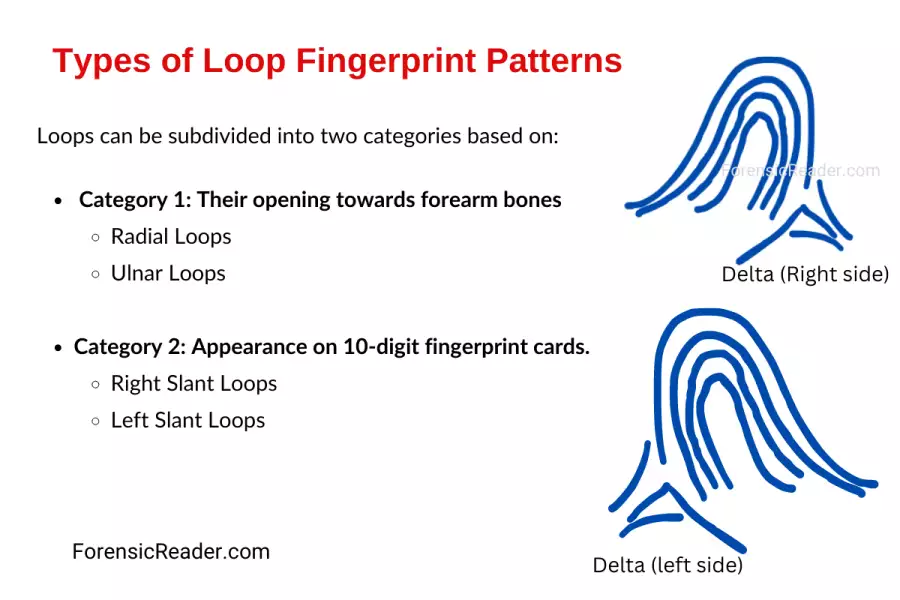
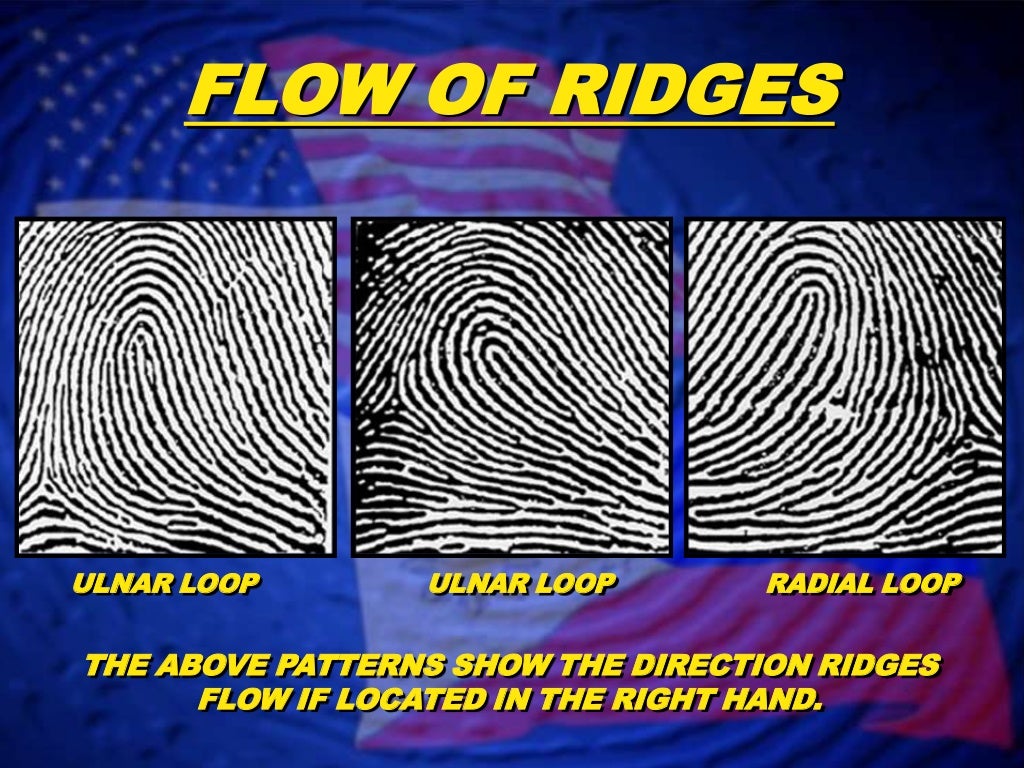
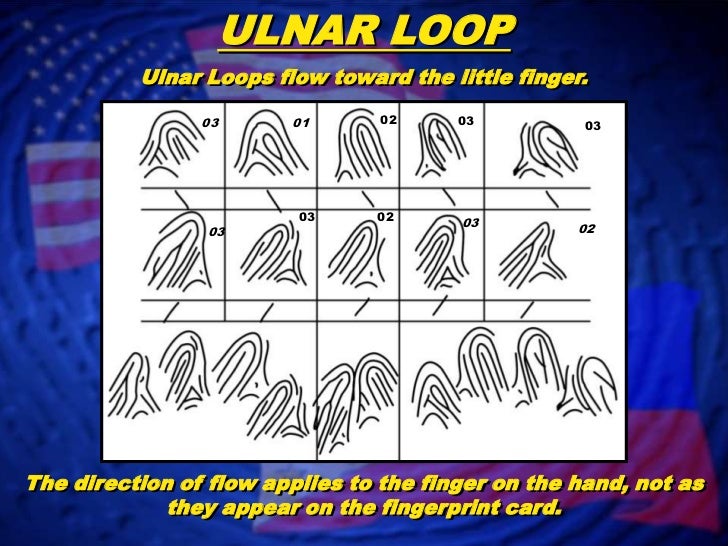
Fingerprint Loop Pattern - Web by altering the relative timing, location and angle of these starting points, the team could create each of the three most common fingerprint patterns — arches, loops and whorls — and even. Impression left by tiny ridges, patterns and curls present on the fingertip are called fingerprints. This name refers to the ulna bone. Look at your own fingerprint patterns and see if you have any loops. Web there are patterns in fingerprints known as composite fingerprints that comprise the arch, loop, and whorl. Search for patent ones first and place a marker of some kind by it remind you later. Web the most common types of fingerprint pattern are arch, loop, and whorl (figure 1a). This is the simple of all fingerprint patterns. Web friction ridge patterns are grouped into three distinct types—loops, whorls, and arches—each with unique variations, depending on the shape and relationship of the ridges: Ulnar loop are created when fingerprint ridges turn backward but do not twist completely around. Mostly, an ulnar loop moves toward the little finger. Web a chart illustrating fingerprint ridge patterns (arches, loops and whorls) and fingerprint ridge characteristics (core, ending ridge, short ridge, fork or bifurcation, delta, hook, eye, dot or island, crossover, bridge, enclosures, and speciality). Arches are the simplest configuration, loops extend to one side of the digit, and whorls have a concentric pattern of ridges at their core. Loop, whorl & arch pattern examples. The pattern accounts for approximately 5% of recorded fingerprint. Web central pocket loop fingerprints offer a distinct and intriguing variation in fingerprint patterns. Web by altering the relative timing, location and angle of these starting points, the team could create each of the three most common fingerprint patterns — arches, loops and whorls — and even. There are other fingerprint patterns that that i’ll be describing in upcoming newsletters so don’t be alarmed if you don’t have any loops. They originate from one side of the finger, curve around or upward, before exiting out the other side. Counting the ridges between key points in a fingerprint, such as the core and delta areas, is a fundamental technique in fingerprint analysis. In other words, ‘the term “composite pattern” refers to a print that combines two or more patterns, either of the same type or of different sorts.’. They originate from one side of the finger, curve around or upward, before exiting out the other side. Web a chart illustrating fingerprint ridge patterns (arches, loops and whorls) and fingerprint ridge characteristics (core,. Search for patent ones first and place a marker of some kind by it remind you later. Loops make up almost 70 percent of fingerprint patterns. Sir francis galton has described 3 patterns for classification of fingerprints: Web friction ridge patterns are grouped into three distinct types—loops, whorls, and arches—each with unique variations, depending on the shape and relationship of. It is of two types: In other words, ‘the term “composite pattern” refers to a print that combines two or more patterns, either of the same type or of different sorts.’. These occur in about 5% of the encountered fingerprints. Core is placed at the center for equidistant shoulders. Web central pocket loop fingerprints offer a distinct and intriguing variation. Loop, whorl & arch pattern examples. This name refers to the ulna bone. These occur in about 5% of the encountered fingerprints. Search for patent ones first and place a marker of some kind by it remind you later. Arches are characterised by ridges that flow from one side to the other without making a backward turn, loops involve ridges. Core is placed at the center for equidistant shoulders. Web there are patterns in fingerprints known as composite fingerprints that comprise the arch, loop, and whorl. Web they also stated that loop is formed on fingertips after less visibility and slight disappearance of volar pads, while the formation of an arch pattern is observed after the complete disappearance of the. Loop, whorl & arch pattern examples. Core is placed inside the shoulder of recurve. Mostly, an ulnar loop moves toward the little finger. Counting the ridges between key points in a fingerprint, such as the core and delta areas, is a fundamental technique in fingerprint analysis. Web loop fingerprint meanings. Loops make up almost 70 percent of fingerprint patterns. This is the simple of all fingerprint patterns. Moreover, for some human groups they represent the most frequent patterns of. Mostly, an ulnar loop moves toward the little finger. In forensic fingerprinting, there are a few types of fingerprints and a few ways to find them. Edward henry modified galton’s system and described 4 basic patterns for classifications which are used normally are as follows: Web the classification of loops is based on the way the loops flow on the hand (not the card), so that on the fingerprint card for the left hand, loops flowing toward the thumb impression are ulnar, and loops flowing toward. The loop has a circular pattern, running from the thumb toward the pinky. Web the primary fingerprint patterns are arches, loops, and whorls, and the diversity among them arises due to the way the ridges flow and recurve. Look at your own fingerprint patterns and see if you have any loops. Friction ridge patterns are grouped into three distinct types—loops,. Search for patent ones first and place a marker of some kind by it remind you later. Edward henry modified galton’s system and described 4 basic patterns for classifications which are used normally are as follows: Mostly, an ulnar loop moves toward the little finger. There is always one delta present in the loop pattern type. A loop pattern always. In other words, ‘the term “composite pattern” refers to a print that combines two or more patterns, either of the same type or of different sorts.’. Loops make up almost 70 percent of fingerprint patterns. Web the fingerprint pattern, such as the print left when an inked finger is pressed onto paper, is that of the friction ridges on that particular finger. The ridge count is a useful tool for classifying fingerprints into various patterns and subtypes, offering a structured approach to categorizing and distinguishing prints. Moreover, for some human groups they represent the most frequent patterns of. Arches are the simplest configuration, loops extend to one side of the digit, and whorls have a concentric pattern of ridges at their core. If you see loops, count how many occupy your finger tips and thumb. Web there are patterns in fingerprints known as composite fingerprints that comprise the arch, loop, and whorl. These occur in about 5% of the encountered fingerprints. Web the loop fingerprint. Look at your own fingerprint patterns and see if you have any loops. Ulnar loop are created when fingerprint ridges turn backward but do not twist completely around. Ridges flow from one side to other without making any curve. They originate from one side of the finger, curve around or upward, before exiting out the other side. Loop is divided into three parts; Web friction ridge patterns are grouped into three distinct types—loops, whorls, and arches—each with unique variations, depending on the shape and relationship of the ridges: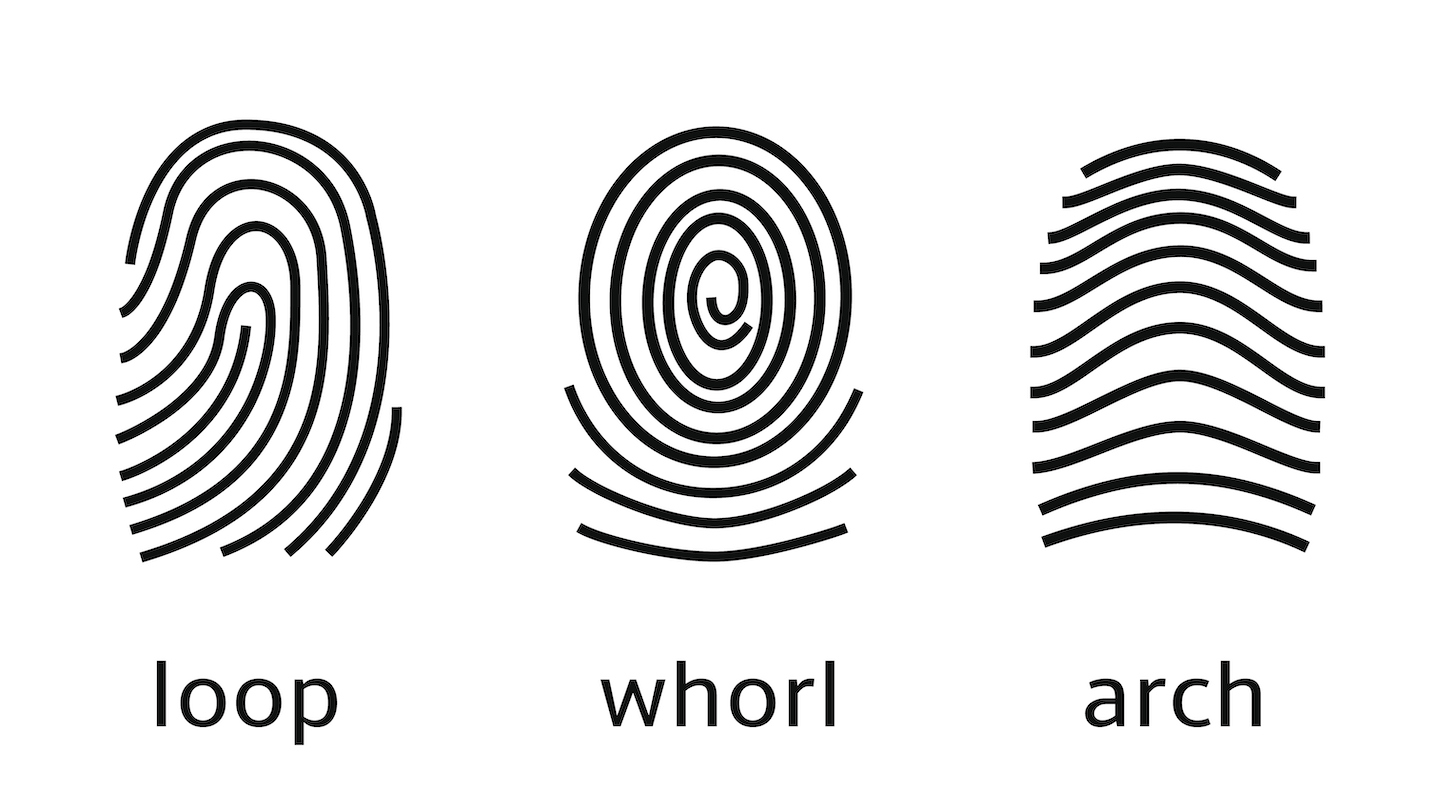
Experiment Are fingerprint patterns inherited?
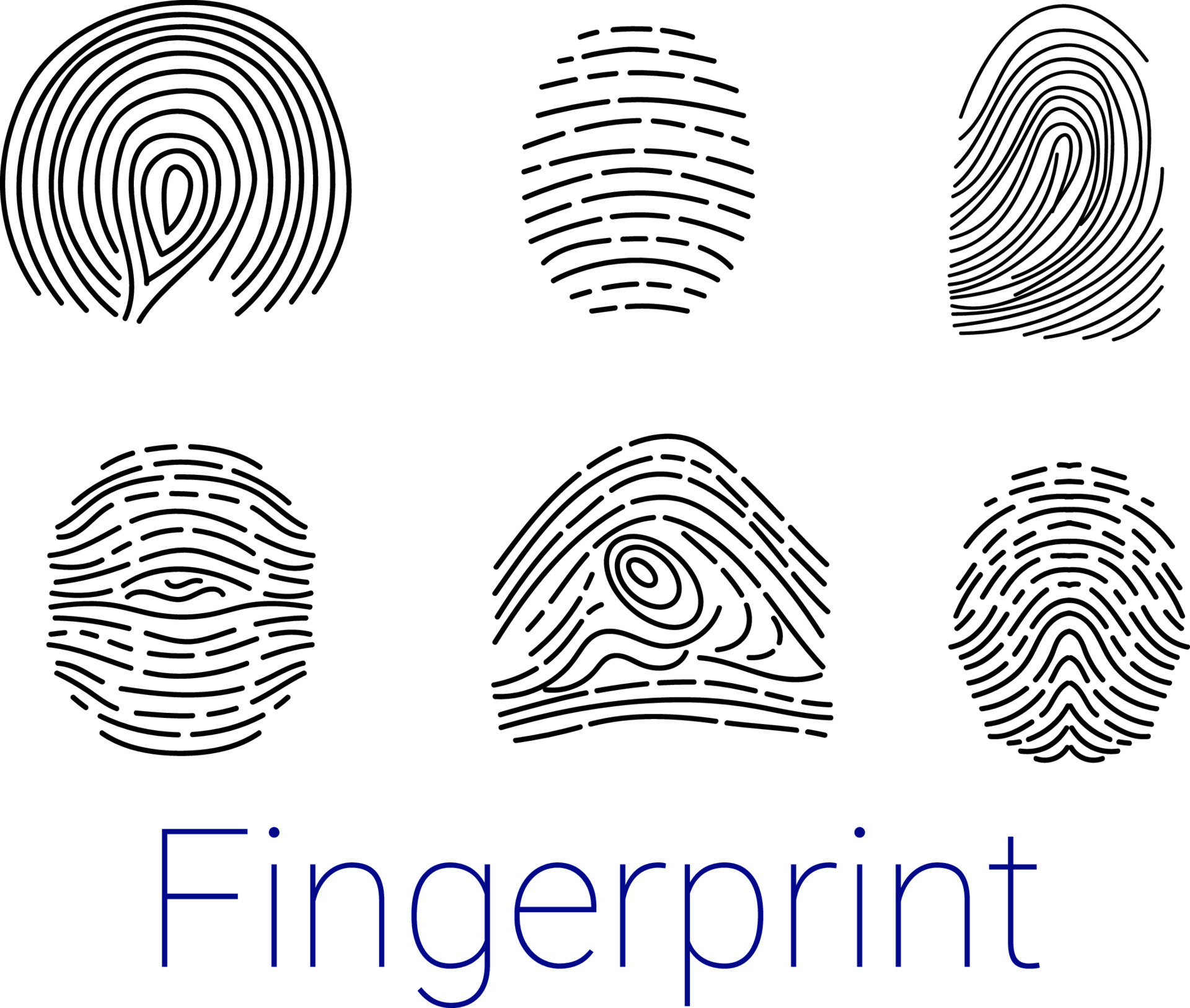
Set of various fingerprints loops, curls, patterns Vector illustration
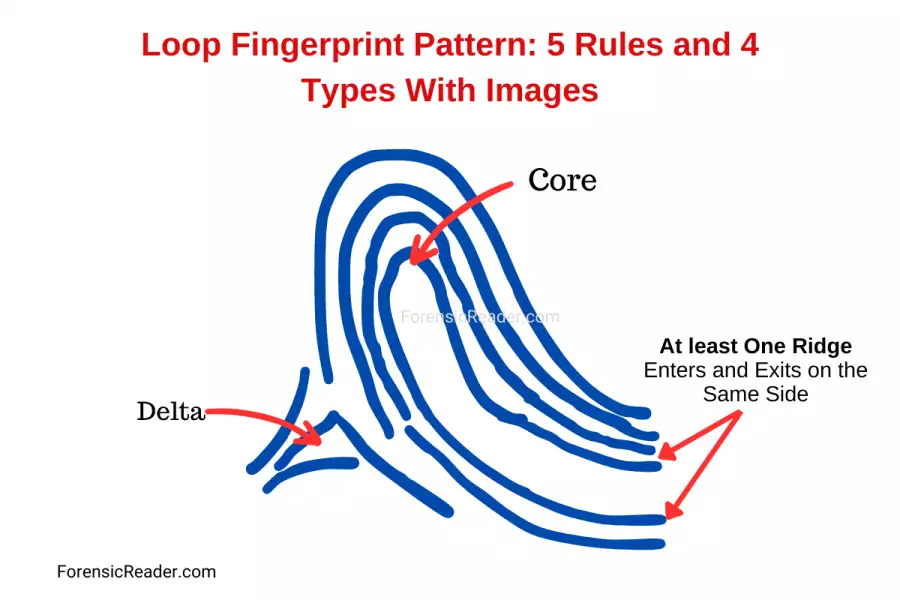
Loop Fingerprint Pattern 5 Rules and 4 Types With Images

The Loop Deciphering Your Own Fingerprints American Academy of Hand

3 Basic patterns of fingerprints(a) Ulnar Loop (b) Radial Loop (c
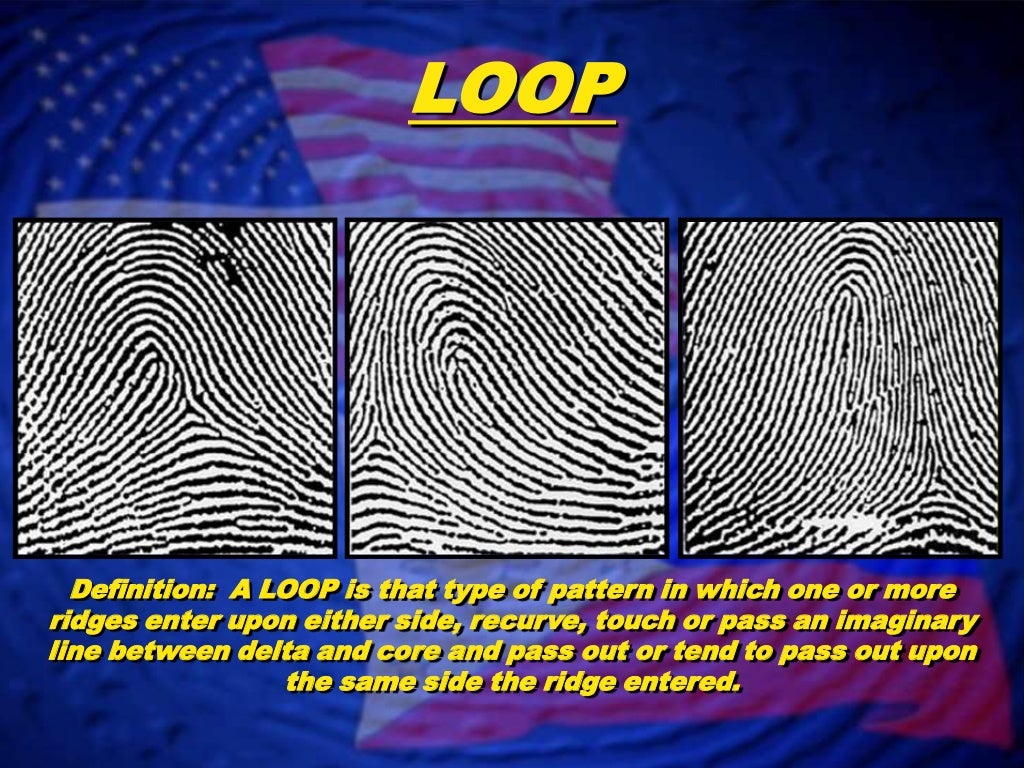
Fingerprint Classification Loop Patterns
Loop Fingerprint Pattern 5 Rules and 4 Types With Images
Fingerprint Classification Loop Patterns
Fingerprint Classification Loop Patterns
Forensic Training Unlimited LoopsFingerprint Pattern
Edward Henry Modified Galton’s System And Described 4 Basic Patterns For Classifications Which Are Used Normally Are As Follows:
In Forensic Fingerprinting, There Are A Few Types Of Fingerprints And A Few Ways To Find Them.
Web Fingerprint Patterns Called Loops (Simple Loops) Characterized By One Triradius (Or Delta) And One Core Are Very Common In Most Of The Human Populations.
A Loop Pattern Always Comprises One Delta, Which Is Roughly A Triangular Formation In The Pattern.
Related Post: