
Suboccipital Referral Pattern
Suboccipital Referral Pattern - In particular, they initiate and control fine movements. You can relieve these points and tensions yourself. Web along with lots of other neck muscles, the suboccipital group — usually just called “the suboccipitals” — work overtime to keep your head balanced on top of your spine. Web the spot will normally be painful to compression and produce a stereotypical referral pattern to distant structures. Web suboccipital muscles are responsible for head and neck movements and play a crucial role in maintaining proper posture. Web the suboccipital muscles consist of four small muscles at your cervical spine. Web cervicogenic headache patients have a high probability of having myofascial trigger point pain, 54 particularly from overactivity of the scm, upper trapezius, and temporalis. Understanding suboccipital muscle trigger points. Travell and simons have divided tps into subtypes, including active, associated, attachment, central,. Proper diagnosis and treatment of suboccipital trigger points are essential for relieving pain and discomfort. Web activated trigger points on the suboccipital muscles can result in a referred pain pattern that spreads to one and/or both sides of the head above the occipital and temporal bones. Web cervicogenic headache patients have a high probability of having myofascial trigger point pain, 54 particularly from overactivity of the scm, upper trapezius, and temporalis. Web along with lots of other neck muscles, the suboccipital group — usually just called “the suboccipitals” — work overtime to keep your head balanced on top of your spine. You can relieve these points and tensions yourself. Web the spot will normally be painful to compression and produce a stereotypical referral pattern to distant structures. In particular, they initiate and control fine movements. Referred pain patterns have been studied in healthy volunteers without neck pain as well as in those with proven cervical joint pain. Understanding suboccipital muscle trigger points. Web suboccipital muscles are responsible for head and neck movements and play a crucial role in maintaining proper posture. 32 myofascial trigger points of the scm have a similar referred pain pattern to that seen in cgh (posterior to frontal). You can relieve these points and tensions yourself. 32 myofascial trigger points of the scm have a similar referred pain pattern to that seen in cgh (posterior to frontal). Web activated trigger points on the suboccipital muscles can result in a referred pain pattern that spreads to one and/or both sides of the head above the occipital and temporal bones.. Web the suboccipital muscles consist of four small muscles at your cervical spine. If they are tense or carry active trigger points, they can trigger headaches and restrict the mobility of the neck. Web the spot will normally be painful to compression and produce a stereotypical referral pattern to distant structures. Web along with lots of other neck muscles, the. 32 myofascial trigger points of the scm have a similar referred pain pattern to that seen in cgh (posterior to frontal). Web activated trigger points on the suboccipital muscles can result in a referred pain pattern that spreads to one and/or both sides of the head above the occipital and temporal bones. Web cervicogenic headache patients have a high probability. Web a cervicogenic headache is thought to be referred pain arising from irritation caused by cervical structures innervated by spinal nerves c1, c2, and c3; Web cervicogenic headache patients have a high probability of having myofascial trigger point pain, 54 particularly from overactivity of the scm, upper trapezius, and temporalis. In particular, they initiate and control fine movements. 32 myofascial. Understanding suboccipital muscle trigger points. Travell and simons have divided tps into subtypes, including active, associated, attachment, central,. Referred pain patterns have been studied in healthy volunteers without neck pain as well as in those with proven cervical joint pain. 32 myofascial trigger points of the scm have a similar referred pain pattern to that seen in cgh (posterior to. Travell and simons have divided tps into subtypes, including active, associated, attachment, central,. If they are tense or carry active trigger points, they can trigger headaches and restrict the mobility of the neck. Web suboccipital muscles are responsible for head and neck movements and play a crucial role in maintaining proper posture. In particular, they initiate and control fine movements.. Proper diagnosis and treatment of suboccipital trigger points are essential for relieving pain and discomfort. Web the spot will normally be painful to compression and produce a stereotypical referral pattern to distant structures. Web a cervicogenic headache is thought to be referred pain arising from irritation caused by cervical structures innervated by spinal nerves c1, c2, and c3; Web the. Web cervicogenic headache patients have a high probability of having myofascial trigger point pain, 54 particularly from overactivity of the scm, upper trapezius, and temporalis. Web activated trigger points on the suboccipital muscles can result in a referred pain pattern that spreads to one and/or both sides of the head above the occipital and temporal bones. Web along with lots. 32 myofascial trigger points of the scm have a similar referred pain pattern to that seen in cgh (posterior to frontal). Web suboccipital muscles are responsible for head and neck movements and play a crucial role in maintaining proper posture. Proper diagnosis and treatment of suboccipital trigger points are essential for relieving pain and discomfort. Web cervicogenic headache patients have. Web activated trigger points on the suboccipital muscles can result in a referred pain pattern that spreads to one and/or both sides of the head above the occipital and temporal bones. Web along with lots of other neck muscles, the suboccipital group — usually just called “the suboccipitals” — work overtime to keep your head balanced on top of your. Web activated trigger points on the suboccipital muscles can result in a referred pain pattern that spreads to one and/or both sides of the head above the occipital and temporal bones. Web cervicogenic headache patients have a high probability of having myofascial trigger point pain, 54 particularly from overactivity of the scm, upper trapezius, and temporalis. You can relieve these points and tensions yourself. Proper diagnosis and treatment of suboccipital trigger points are essential for relieving pain and discomfort. Web a cervicogenic headache is thought to be referred pain arising from irritation caused by cervical structures innervated by spinal nerves c1, c2, and c3; Web suboccipital muscles are responsible for head and neck movements and play a crucial role in maintaining proper posture. Understanding suboccipital muscle trigger points. Web along with lots of other neck muscles, the suboccipital group — usually just called “the suboccipitals” — work overtime to keep your head balanced on top of your spine. If they are tense or carry active trigger points, they can trigger headaches and restrict the mobility of the neck. Web the spot will normally be painful to compression and produce a stereotypical referral pattern to distant structures. In particular, they initiate and control fine movements. 32 myofascial trigger points of the scm have a similar referred pain pattern to that seen in cgh (posterior to frontal).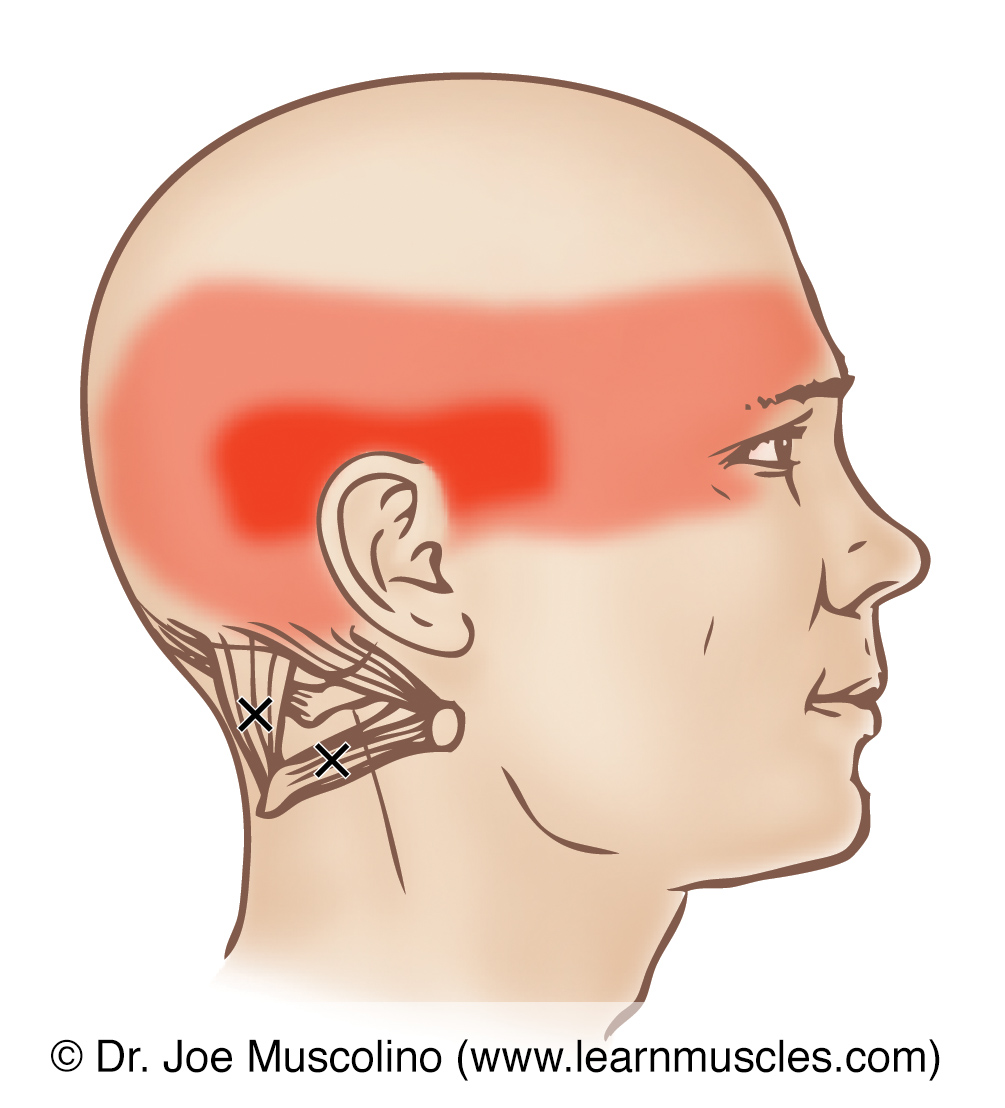
Suboccipital Group Trigger Points Learn Muscles

Suboccipital Muscles Trigger Points

Alila Medical Media Trigger points and referred pain patterns for the

Suboccipital Trigger Point Release and Stretch Nourishing Massage

Alila Medical Media Trigger points and referred pain patterns for the

The Trigger Point & Referred Pain Guide 13
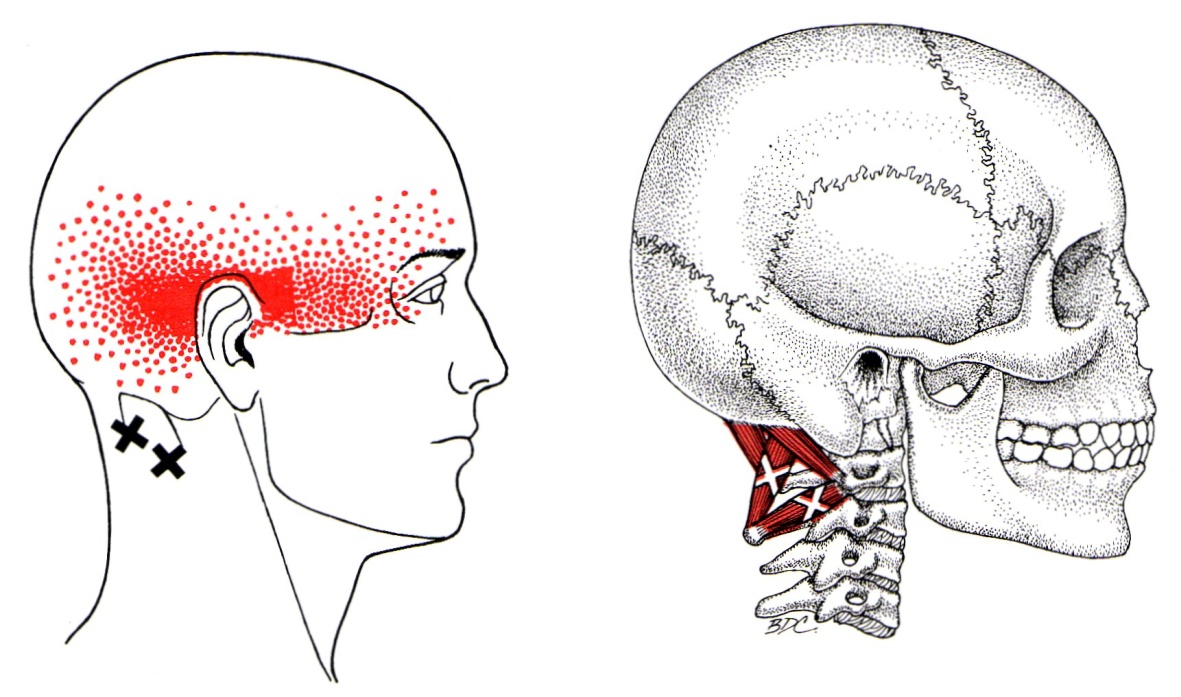
Suboccipital Group The Trigger Point & Referred Pain Guide

Suboccipital Muscles Headaches, Migraines, Eye Pain The Wellness Digest

Alila Medical Media Trigger points and referred pain patterns for the

The Trigger Point & Referred Pain Guide 13
Travell And Simons Have Divided Tps Into Subtypes, Including Active, Associated, Attachment, Central,.
Referred Pain Patterns Have Been Studied In Healthy Volunteers Without Neck Pain As Well As In Those With Proven Cervical Joint Pain.
Web The Suboccipital Muscles Consist Of Four Small Muscles At Your Cervical Spine.
Related Post: