
Types Of Wood Grain Patterns
Types Of Wood Grain Patterns - Different types of wood have different grain patterns, which can affect their appearance and performance. Web wood grains can be used to create beautiful flooring or to enhance the appearance of other wood products. With smaller, more consistent pores, woods like maple and cherry offer a cleaner, smoother. Have you ever taken a moment to think about the multitude of wood grain patterns found in nature? For instance, on their quartersawn surfaces, lacewood has large lace patterns, oak has flecks, and maple has the characteristic “butcher block” appearance. It’s astounding how a seemingly simple material like wood can display such diverse variations. Web the patterns are flat sawn (plain sawn in softwoods), quarter sawn (vertical grain in softwoods), rift sawn, and live sawn. Web from wood floors and fine cabinets to hardwood furniture and structural timbers, grain patterns play a part in it all. Let’s break down wood grains, exploring different types and some fine examples you might want to try for your next project. Web wood grain patterns are the way how cells and fibers grow in a certain direction inside the tree. Web common types of grains. Find the perfect pattern for your woodworking project. Wood grains and the terms that describe them are as varied as trees in a forest, so let’s chat about key principles of wood grain that all woodworkers should know. Wavy grain patterns emerge when wood fibers change direction constantly, creating a wavy appearance. Live sawn starts with a straight cut through the log, which provides a full range of the wood’s natural characteristics. Web looking for a characterful, pronounced pattern, or an understated, sleek and subtle design? They occur in hardwoods with large pores like oak and appear in various arrangements, from swirls to large streaks. With smaller, more consistent pores, woods like maple and cherry offer a cleaner, smoother. Types of wood grain patterns. The flooring is also more dimensionally stable. Flat sawn is the most commonly found sawing pattern. You can choose the wood grain pattern and materials you want to use for your wood flooring, furniture, or art project to. Wood grain refers to the arrangement of a wood’s fibres resulting from the growth of a tree. They occur in hardwoods with large pores like oak and appear in. Flat sawn is the most commonly found sawing pattern. Different types of wood have different grain patterns, which can affect their appearance and performance. The grain pattern varies, with vertical grain on the edges. These need a grain filler for a smooth finish. Web from wood floors and fine cabinets to hardwood furniture and structural timbers, grain patterns play a. Web wood grains can be used to create beautiful flooring or to enhance the appearance of other wood products. Flat sawn is the most commonly found sawing pattern. Exploring the different types of wood grain. Web discover the beauty and uniqueness of different wood grain patterns like straight, curly, wavy, quilted, bird’s eye, burl, spalted, flamed, rift, and end grain.. Types of wood grain patterns. Web wood grain patterns can be categorized into three types: It’s astounding how a seemingly simple material like wood can display such diverse variations. That's quite different from figure, which describes the distinctive pattern that frequently results from various grain orientations. Web looking for a characterful, pronounced pattern, or an understated, sleek and subtle design? A tree has rings that grow each year, specifically in the summer and springtime, called growth rings. Wavy grain patterns emerge when wood fibers change direction constantly, creating a wavy appearance. Web common types of grains. The flooring is also more dimensionally stable. Open grains create coarse, deep, and more noticeable patterns. Understanding wood grain is essential for selecting the right type of wood for woodworking projects. Found in hardwoods with large pores like oak and ash. Web in short, wood grain patterns are different styles of wood that can influence the personal décor of a space. Wood grains and the terms that describe them are as varied as trees in a. Web from wood floors and fine cabinets to hardwood furniture and structural timbers, grain patterns play a part in it all. The flooring is also more dimensionally stable. The pattern of grain is created when the wood is cut. Web different types of grain patterns. Web wood grain patterns can be categorized into three types: Web wood grain patterns can be categorized into three types: The wood has a chocolatey brown color with hues of red, and either a. Web the patterns and types of wood grain significantly impact the appearance, strength, and suitability of wood for different applications. Different types of wood have different grain patterns, which can affect their appearance and performance. Web. It’s astounding how a seemingly simple material like wood can display such diverse variations. Wood grains differ depending on the direction the tree’s fibers grew. For instance, on their quartersawn surfaces, lacewood has large lace patterns, oak has flecks, and maple has the characteristic “butcher block” appearance. The wood has a chocolatey brown color with hues of red, and either. Beyond that, there are as many different wood grain patterns as there are trees. Web however, when choosing the wood grain pattern to suit your taste, the many different wood grain types can create confusion. Different types of wood have different grain patterns, which can affect their appearance and performance. By selecting the right wood grain pattern for your projects,. This gives the wood a cathedral grain pattern. Open grains create coarse, deep, and more noticeable patterns. Types of wood grain patterns. Different types of wood have different grain patterns, which can affect their appearance and performance. One of the most popular hardwoods on the planet, red oak is commonly used in furniture due to its strength and porous nature that can be stained in any shade. Web in my guide to the types of wood grain patterns, i’ll share what it is, the different options for hardwood and softwood, tips on growth rings, and other important details. Web common types of grains. It’s what creates various shapes and textures in every piece of wood, be it furniture or paper. By selecting the right wood grain pattern for your projects, you can achieve visually stunning, durable, and functional woodworking creations. Web discover the beauty and uniqueness of different wood grain patterns like straight, curly, wavy, quilted, bird’s eye, burl, spalted, flamed, rift, and end grain. Let’s break down wood grains, exploring different types and some fine examples you might want to try for your next project. Web in short, wood grain patterns are different styles of wood that can influence the personal décor of a space. Beyond that, there are as many different wood grain patterns as there are trees. Found in hardwoods with large pores like oak and ash. Web looking for a characterful, pronounced pattern, or an understated, sleek and subtle design? Some, like basswood and holly, have almost no visible grain, while catalpa and red oak usually have striking patterns.
27 Different Types of Wood Grain Patterns Home Stratosphere
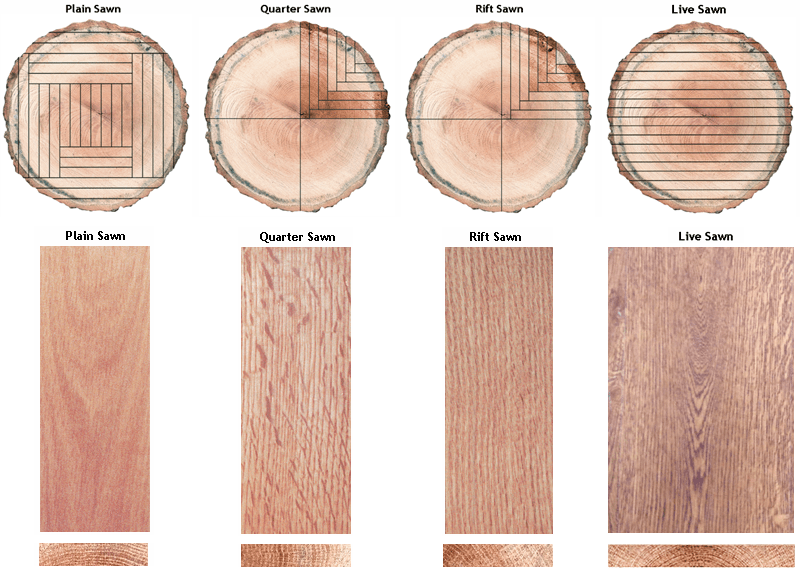
Wood Grain Patterns Schenck & Company

27 Different Types of Wood Grain Patterns Home Stratosphere

27 Different Types of Wood Grain Patterns Home Stratosphere
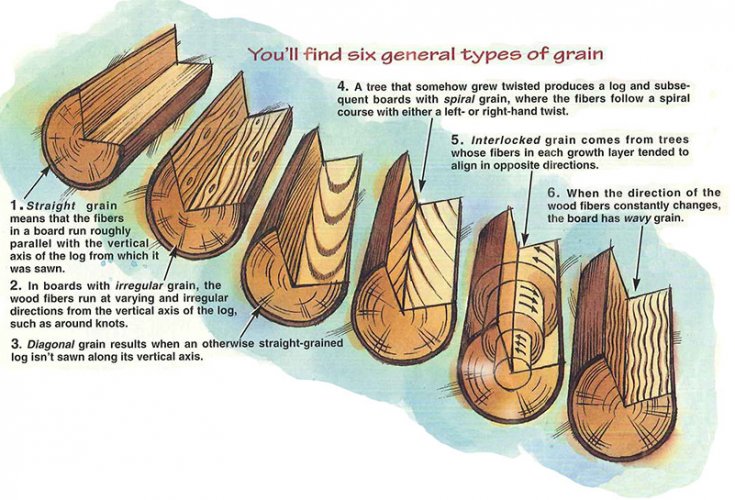
Understanding Wood Grain
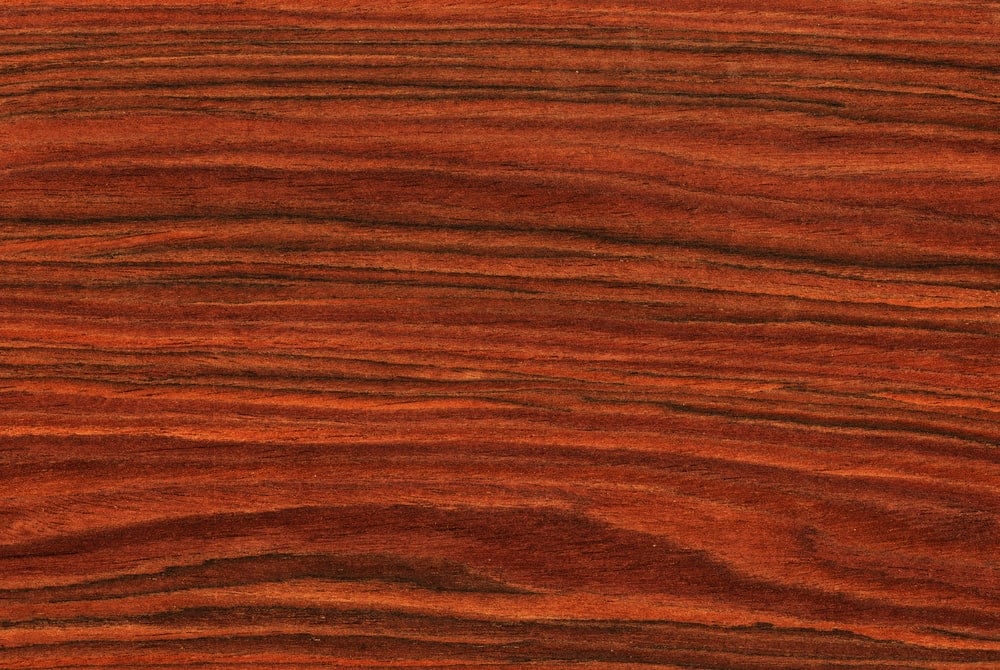
27 Different Types of Wood Grain Patterns Home Stratosphere

27 Different Types of Wood Grain Patterns Woodworking

27 Different Types of Wood Grain Patterns Home Stratosphere

27 Different Types of Wood Grain Patterns Home Stratosphere

27 Different Types of Wood Grain Patterns Home Stratosphere
It’s Astounding How A Seemingly Simple Material Like Wood Can Display Such Diverse Variations.
Wood Grains Differ Depending On The Direction The Tree’s Fibers Grew.
They Classify Into Two Main Categories:
Understanding Wood Grain Is Essential For Selecting The Right Type Of Wood For Woodworking Projects.
Related Post: